Executive Snapshot
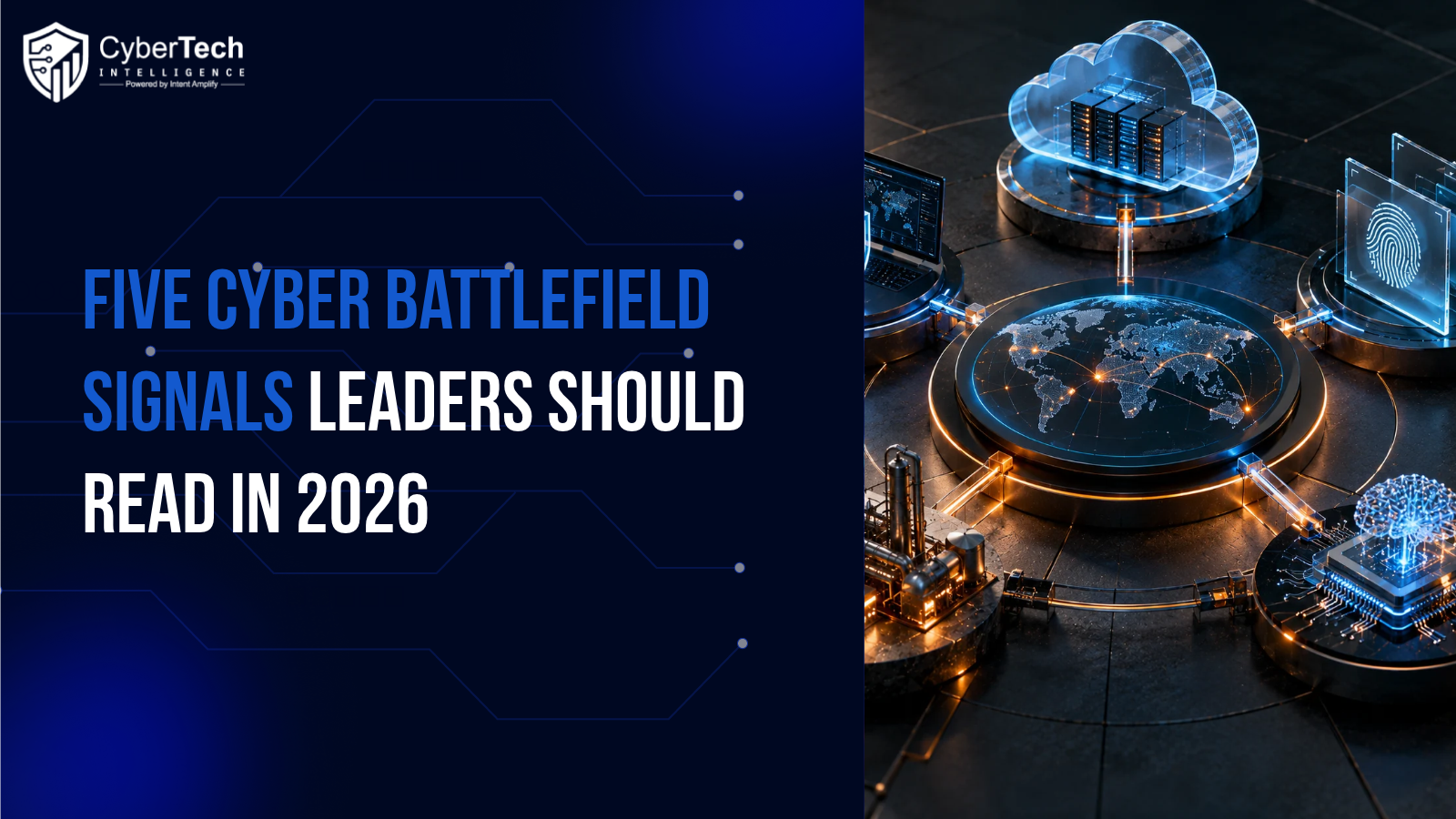
The phrase “multidomain attack terrain” describes an executive management problem: enterprise services have dependencies across infrastructure, identities, software interfaces, devices and increasingly AI-enabled workflows. Strong decisions require connecting those dependencies without pretending that every published technique represents a breach at a particular enterprise. These five recent developments offer grounded questions for a leadership review.
Cloud and Identity Are Being Tested Together
MITRE reported that its December 2025 enterprise evaluations incorporated a first cloud adversary-emulation scenario and addressed identity abuse alongside other multi-platform behavior. [1] This is evidence about an evaluation design, not a market-wide claim that any supplier passed or failed. The buying question is whether vendors can explain their product's role in an investigation that moves across identity and cloud evidence.
Response Is a Whole-Business Activity
NIST SP 800-61 Revision 3, finalized April 2025, situates incident response within ongoing cybersecurity risk management rather than as an isolated team checklist. [2] Security leaders can ask which domain produces the first observation, which team assesses significance and how the business service owner participates in recovery decisions.
Product Makers Face Clearer Security Expectations
CISA and the FBI updated voluntary Product Security Bad Practices guidance in January 2025, urging software manufacturers to address exceptionally risky product practices throughout the lifecycle. [4] The guidance does not create a blanket certification. A vendor can improve buyer trust by explaining its own development and disclosure evidence instead of promising immunity from attacks.
AI and Critical Infrastructure Are Converging in Policy Discussion
NIST published a 2026 concept note for a future AI Risk Management Framework profile for critical infrastructure. [3] It is a development effort, not a final mandatory standard. In parallel, OWASP's agentic applications guidance outlines risks involving tool misuse, identity and unintended agent behavior. [5] The executive question is which AI-connected tasks require controlled access and human review.
Buyer Education Must Translate Risk Into a Next Step
A cloud event, API design risk or OT concern may mean different things to a CISO, operations director and procurement lead. CyberTech Intelligence describes research, vendor intelligence and demand engagement programs intended to connect buyer priorities with relevant conversations. [6] A practical campaign should measure qualified discussion and accepted next steps rather than equating every click with demand.
CyberTech Intelligence Perspective
A connected cyber narrative can help vendors explain the business decision their capabilities support. Buyer intelligence can reveal which roles care about cloud resilience, controlled access, operational continuity or AI governance. Managed demand-generation programs can then test relevant educational topics and record genuine interest; pipeline activation should occur only after a human validates the buyer's need and willingness to continue.
Five Questions for Your Next Leadership Review
-
Which critical business service crosses the greatest number of owners?
-
Could teams reconstruct an event across cloud, identity and endpoint records?
-
Does our OT response plan preserve safety and plant continuity?
-
Which AI tools can act on information, and who authorizes those actions?
-
What evidence would make a security-vendor conversation timely and useful?
Use these questions as a starting point, then compare the definitions and source boundaries in this campaign's Research Report. Look for what the published guidance says, what a local test can prove and which open business decision each finding should inform.
About CyberTech Intelligence
CyberTech Intelligence offers cybersecurity research, buyer and market intelligence, research-led content, managed demand-generation programs and pipeline activation for security vendors. Its service design can connect account selection, buying-group questions, relevant education, executive engagement and evidence-based sales handoff. Program scope and results depend on agreed objectives and observed buyer activity.
Evidence and Citation Governance
Government and independent framework sources support their stated risk-management principles or documented threat techniques. CyberTech Intelligence recommendations, worksheets, scoring and commercial illustrations are editorial synthesis, not survey findings, certified security outcomes, claims of a named prospect's vulnerabilities or guaranteed pipeline results. First-party CTI pages substantiate service descriptions, not client conversion performance.
References
- MITRE, “ATT&CK Evaluations Advance Cloud Security and Counter-Espionage.” December 10, 2025 release describing 2025 enterprise evaluations involving cloud and identity scenarios. https://www.mitre.org/news-insights/news-release/mitre-attck-evaluations-advance-cloud-security-and-counter-espionage
- NIST, “SP 800-61 Revision 3: Incident Response Recommendations.” April 2025 final guidance connecting incident response with enterprise cybersecurity risk management. https://csrc.nist.gov/pubs/sp/800/61/r3/final
- NIST, “Concept Note: AI RMF Profile on Trustworthy AI in Critical Infrastructure.” 2026 concept-note activity, not a finalized compliance obligation. https://www.nist.gov/programs-projects/concept-note-ai-rmf-profile-trustworthy-ai-critical-infrastructure
- CISA and FBI, “Product Security Bad Practices: January 2025 Update.” Voluntary guidance for manufacturers, including products used in critical infrastructure. https://www.cisa.gov/news-events/alerts/2025/01/17/cisa-and-fbi-release-updated-guidance-product-security-bad-practices
- OWASP, “Top 10 for Agentic Applications 2026.” Published December 2025 framework addressing tool, identity and goal-related agent risks. https://genai.owasp.org/resource/owasp-top-10-for-agentic-applications-for-2026/
- CyberTech Intelligence, “Cybersecurity Intelligence Services.” CTI first-party description of demand intelligence, vendor programs and research-led engagement. https://cybertechintelligence.com/services