AI is changing the scale and sophistication of identity fraud in healthcare. As deepfakes, automated social engineering, and impersonation techniques become more accessible, healthcare organisations must protect both digital systems and the human channels attackers can exploit.
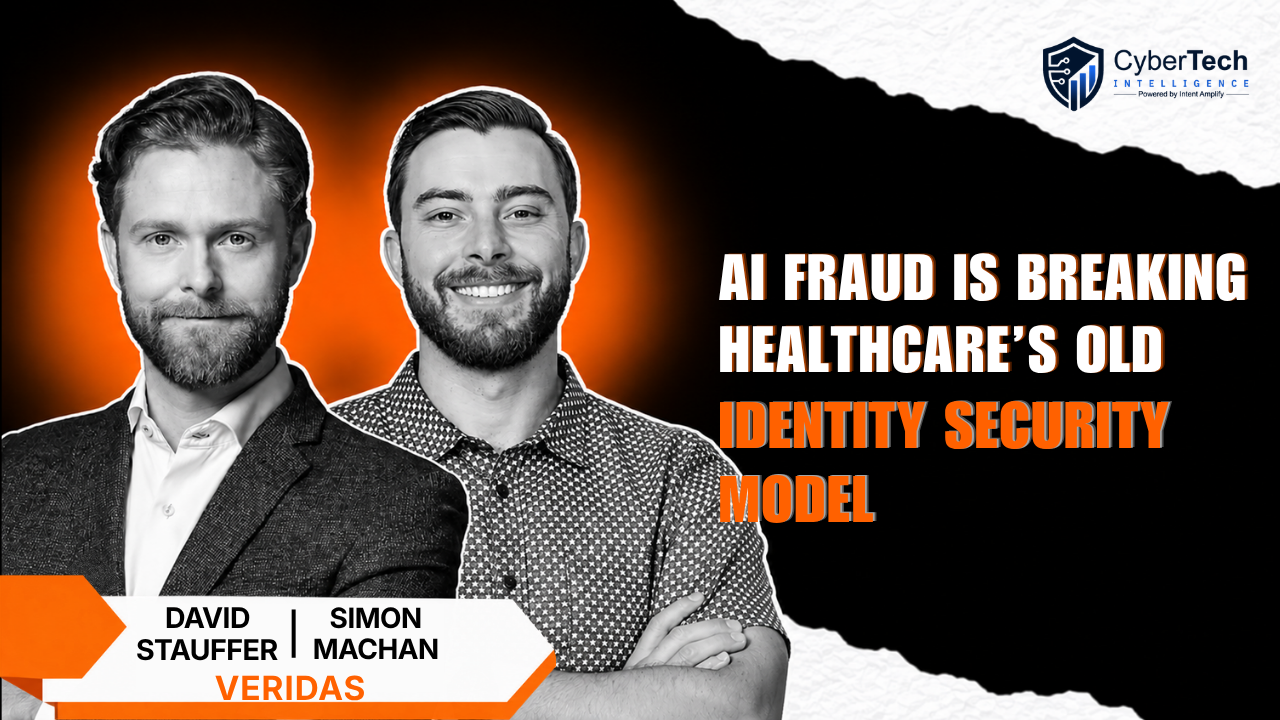
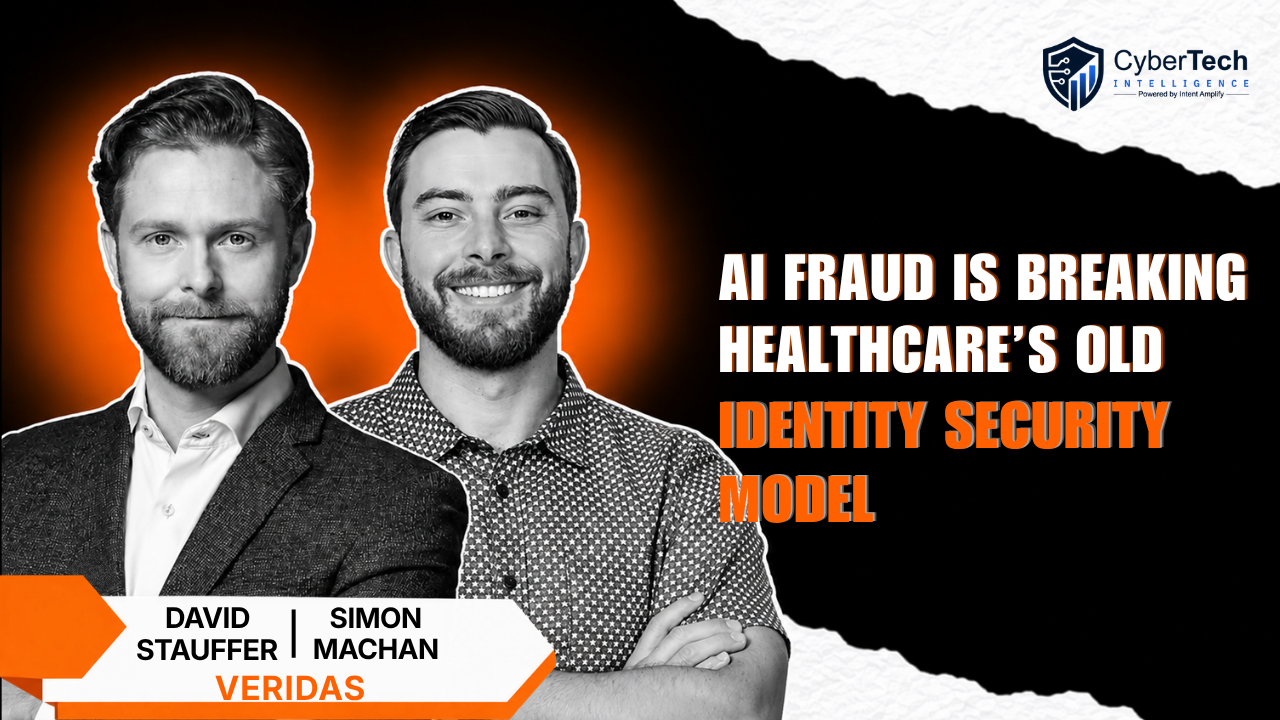
In this episode of the CyberTech Intelligence Podcast, experts from Veridas discuss how AI-powered fraud is reshaping identity security and why traditional authentication methods may leave gaps across patient, employee, contact-centre, and help-desk interactions.
The conversation explores how voice biometrics, facial biometrics, identity verification, and deepfake detection can help organisations establish whether someone is truly who they claim to be while reducing unnecessary authentication friction.
The episode also examines account takeover, social engineering, fragmented identity systems, and the need for a more unified approach to protecting digital and human identity journeys across healthcare.
Watch the episode to explore how healthcare security leaders can rethink identity protection as AI makes impersonation and fraud easier to scale.
I’d format the first paragraph in bold, keep the middle three as normal paragraphs, and bold only Veridas and the technology terms if you want additional visual emphasis.
This field should function as the executive summary/SEO-friendly episode description. Your What You Will Learn field provides the takeaways, Article provides the deeper editorial content, and Transcript should remain the verbatim/verified conversation.
AI-powered fraud is changing the identity security challenge for healthcare organisations.
As artificial intelligence makes reconnaissance, impersonation, deepfakes, and social engineering easier to execute at scale, healthcare security teams face a growing challenge: protecting identity not only across digital systems, but also across the human interactions attackers can exploit.
In this episode of the CyberTech Intelligence Podcast, experts from Veridas explore how AI is amplifying existing fraud techniques and why traditional authentication methods such as passwords, security questions, and MFA may not be enough when attackers target contact centres, help desks, and other human layers of the organisation.
The conversation examines a fundamental shift in identity security: moving beyond verifying what someone knows or possesses toward establishing who that person actually is.
The guests discuss how voice biometrics, facial biometrics, identity verification, and deepfake detection can help healthcare organisations strengthen protection across patient and employee journeys while reducing unnecessary authentication friction.
The discussion also addresses account takeover, social engineering, digital patient identity, and the growing complexity created by fragmented security technology stacks.
For CISOs and healthcare IT leaders, this creates a broader strategic question: should identity security continue to be addressed channel by channel, or should organisations take a more unified approach across patient portals, contact centres, help desks, employees, and other digital healthcare experiences?
As AI-enabled attacks become easier to scale, healthcare organisations increasingly need to consider both the digital and human paths attackers can use to establish fraudulent identities or gain unauthorised access.
This episode explores what that shift means for healthcare cybersecurity leaders—and what modern identity security needs to address next.